OEM, ODM and private label manufacturing in China for European brands
Understanding the distinction between OEM, ODM, and private label manufacturing is crucial for European brands. OEM requires custom tooling and full design ownership, ODM leverages existing supplier engineering, and private label rebrands off the shelf products. Under European law, the brand owner remains legally responsible as the manufacturer.
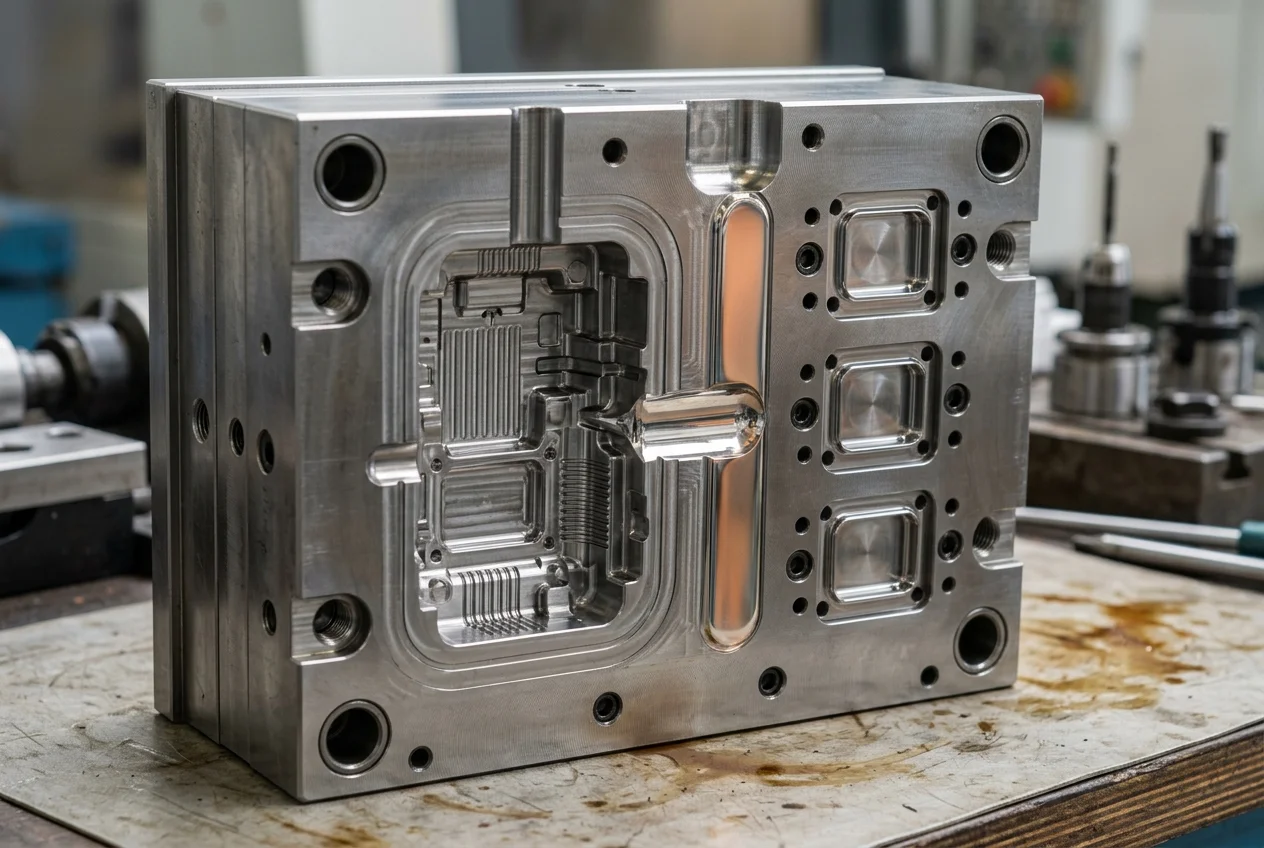
Machined steel injection mold cavity block engineered for custom European component runs.
Comparative framework: OEM vs ODM vs Private label
Choosing the appropriate production model determines your upfront capital investment, speed to market, and long term intellectual property defensibility. Many European importers enter negotiations assuming they are purchasing an OEM solution, only to discover that the supplier claims full ownership of the product geometry.
Evaluating tooling custody, lead times, and regulatory liabilities prior to supplier selection protects your brand from expensive legal disputes.
| Production model | Design and IP rights | Tooling ownership | MOQ profile | Typical launch cycle |
|---|---|---|---|---|
| OEM (Original Equipment Manufacturing) | European buyer owns 100 percent of CAD files, patent rights, and technical drawings. | Buyer finances custom steel tooling; factory operates mold exclusively for buyer. | Higher initial volume to justify machine setup and custom packaging runs. | Four to eight months for tooling fabrication, sample iterations, and production. |
| ODM (Original Design Manufacturing) | Factory owns core engineering; buyer licenses cosmetic or functional variations. | Factory owns existing production tooling; buyer pays nominal modification fees. | Lower barrier to entry using existing workshop component pipelines. | Six to twelve weeks, focusing primarily on branding, packaging, and testing. |
| Private Label (White Label) | Factory owns standard off the shelf catalog product completely. | Standard factory molds with custom laser etching, screen printing, or packaging inserts. | Lowest volume thresholds, often compatible with standard pallet shipments. | Four to eight weeks for packaging customization and production. |
Securing mold tooling custody and design rights
In custom plastic injection molding, die casting, and sheet metal stamping, tooling represents a major capital asset. If relations with a factory deteriorate, unethical suppliers frequently refuse to release tooling, claiming that mold ownership resides with the workshop.
Our contracts establish that the European buyer retains exclusive title to all molds. Every tool is inscribed with a unique asset identifier, photographed, and cataloged. Katrina\'s team conducts regular mold maintenance inspections in Ningbo to verify operational condition.
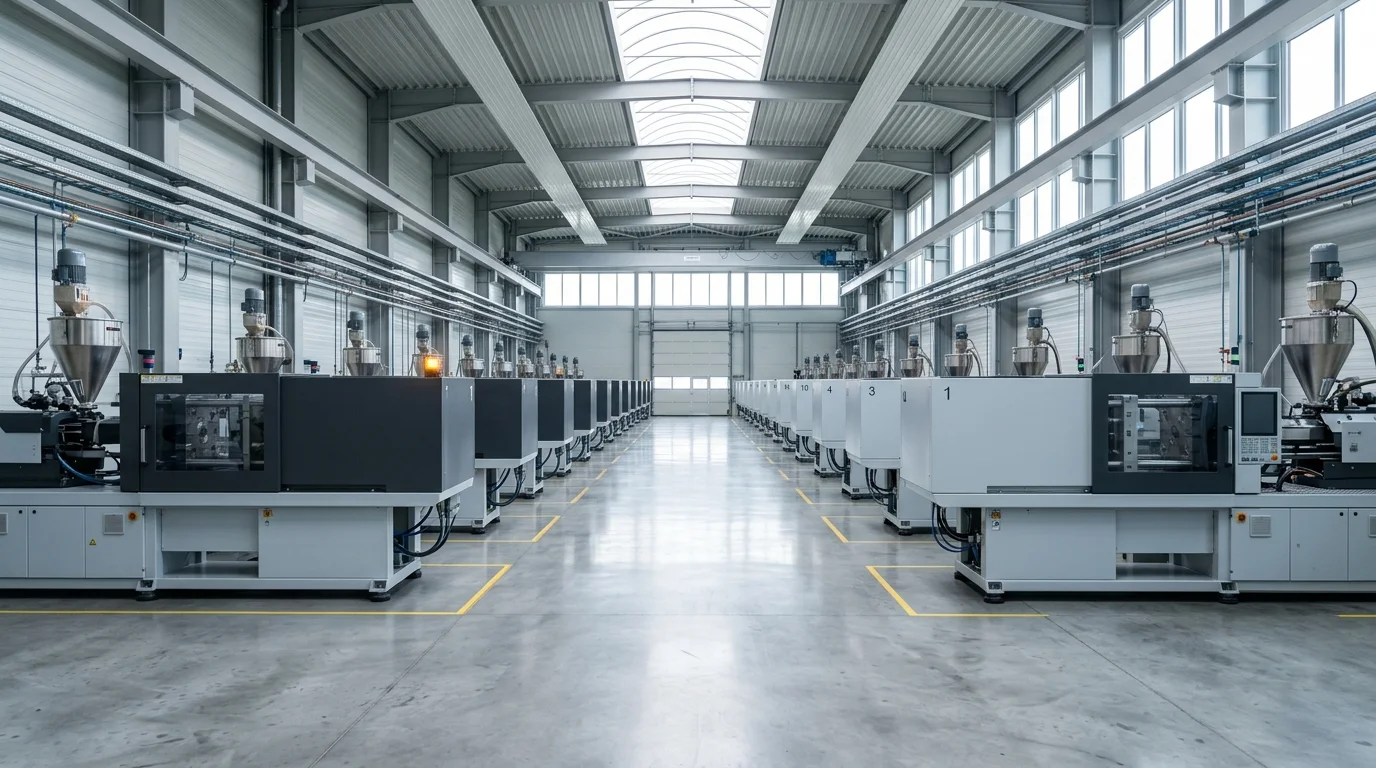
Injection molding production hall executing proprietary tooling runs in Ningbo.
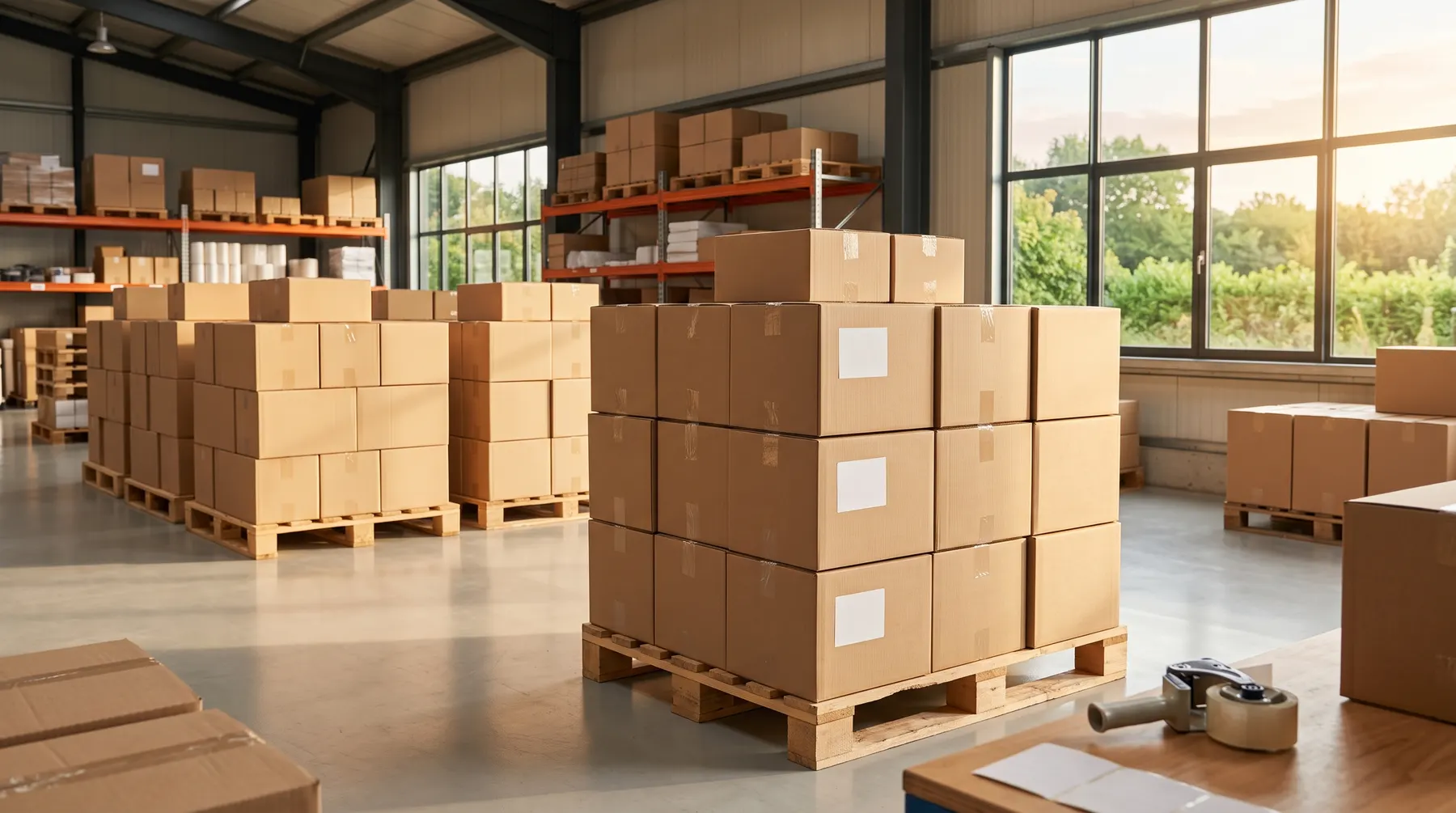
Export cartons inspected for barcode legibility and mandatory European manufacturer traceability labels.
Packaging design and European GPSR traceability
Under the EU General Product Safety Regulation (GPSR) effective 13 December 2024, consumer goods entering Europe must carry explicit manufacturer and importer traceability markings. This information must be clearly visible on the product or its immediate packaging.
We review your custom packaging artwork before plate printing, verifying that language requirements, disposal symbols, batch codes, and EU Responsible Person contact points comply with European customs standards.
Frequently asked questions: OEM and private label
Clear analysis of design rights, tooling custody, and European legal duties.
What is the exact distinction between OEM and ODM manufacturing?
In Original Equipment Manufacturing (OEM), the European buyer provides proprietary 3D CAD files, material specifications, and tooling designs, which the factory builds exclusively. In Original Design Manufacturing (ODM), the factory develops the product design and engineering, allowing buyers to customize branding, cosmetic finishes, or packaging.
Who is considered the legal manufacturer under European law?
Under European Union product safety directives, any commercial entity placing a product on the EU market under its own brand name or trademark is legally treated as the manufacturer. This holds true regardless of whether production occurred in China, making the brand fully liable for regulatory compliance.
How do European buyers secure mold tooling ownership?
Tooling ownership must be established through a bilingual manufacturing contract executed before wiring deposits. The agreement must state that the buyer retains exclusive ownership of the mold cavity, core, and drawings, with explicit rights to inspect and retrieve tooling without penalty.
Why do Chinese factories require minimum order quantities?
Minimum order quantities (MOQ) are driven by raw material minimum batch orders from polymer or alloy suppliers, machine calibration scrap rates, and color masterbatch blending requirements. While assembly labor is flexible, material processing requires continuous automated runs.
What mandatory information must appear on European product packaging?
Under the EU General Product Safety Regulation (GPSR), packaging must state the manufacturer name, registered trade name, postal address, electronic contact details (email or URL), batch or serial number, CE marking if applicable, and authorized EU Responsible Person details.
Related sourcing resources
EU import compliance checklist
Mandatory European regulations: GPSR responsible person, CE directives, REACH, and RoHS.

How to source from China
A 9 step practical framework for European buyers from design specification to customs release.

China sourcing agent Europe
Explore our comprehensive on the ground factory sourcing and inspection services in Ningbo.
Ready to manufacture your custom design in China?
Submit your 3D CAD models, material specifications, and target quantities. Our engineering team reviews tooling feasibility and provides clear factory cost breakdowns.