How to source products from China: a step-by-step guide for EU buyers
Successful sourcing from Chinese factories requires a disciplined nine step progression: precise technical specification, regulatory check, supplier screening, standardized RFQ, factory verification, sample testing, bilingual contracts, on site inspection, and managed port logistics.

Sample products and component prototypes reviewed against technical specifications.
The 9 step European procurement blueprint
Procuring custom manufactured goods from China is a structured engineering process rather than an online shopping exercise. Skipping crucial verification steps frequently leads to defective tooling, non-compliant materials, or goods impounded at European customs.
Following this nine step framework ensures your company maintains technical control, legal ownership of tooling, and financial security throughout the manufacturing run.
Define technical product specifications
Compile 3D CAD drawings, 2D dimensional tolerances, bill of materials, packaging requirements, and European regulatory standards before contacting suppliers.
Verify European regulatory requirements
Identify applicable European directives including CE marking, General Product Safety Regulation (GPSR) traceability, REACH chemical limits, and RoHS compliance.
Shortlist and screen candidates
Identify five to ten potential factories in specialized industrial clusters such as Ningbo for plastics and hardware, checking business registration and machine capacity.
Issue a structured RFQ package
Distribute a standardized Request for Quotation package requiring itemized pricing for tooling, unit manufacturing, sample lead times, and standard packaging.
Audit and verify the top factory
Conduct a formal supplier verification: cross-reference government registration records, conduct an unannounced live video audit, or commission an on site inspection.
Sample fabrication and laboratory testing
Review initial prototypes and tooling test shots. Test physical dimensions, assembly fit, and material integrity before approving full scale production.
Execute bilingual manufacturing agreement
Sign a formal manufacturing agreement defining product specifications, payment milestones, defect tolerances, and exclusive mold tooling ownership.
Production monitoring and pre-shipment QC
Perform on site statistical sampling inspections during production and once 100 percent of goods are manufactured and packaged into export cartons.
Export customs and ocean shipping
Coordinate container drayage, Ningbo customs clearance, Bill of Lading documentation, and ocean freight to European destination ports.
Specification precision and sample approval
The foundation of quality manufacturing in China is the initial technical file. Never rely on verbal descriptions or generic catalog numbers. Provide complete 3D STEP files and 2D engineering drawings with explicit tolerance ranges.
When samples arrive, test them thoroughly in real operational conditions. Document all required modifications in writing and sign off on a golden sample only when all dimensional and functional criteria are satisfied.
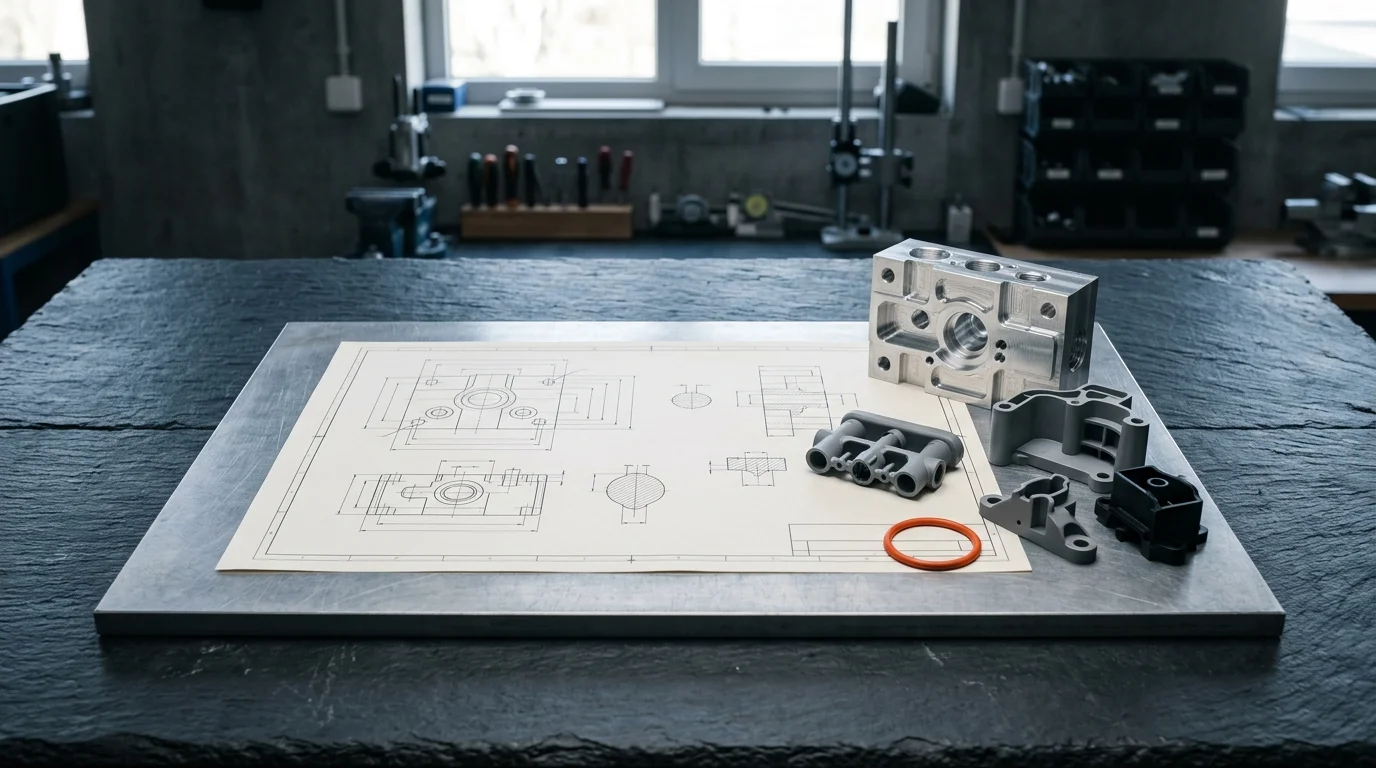
Engineering blueprint review and technical component evaluation.
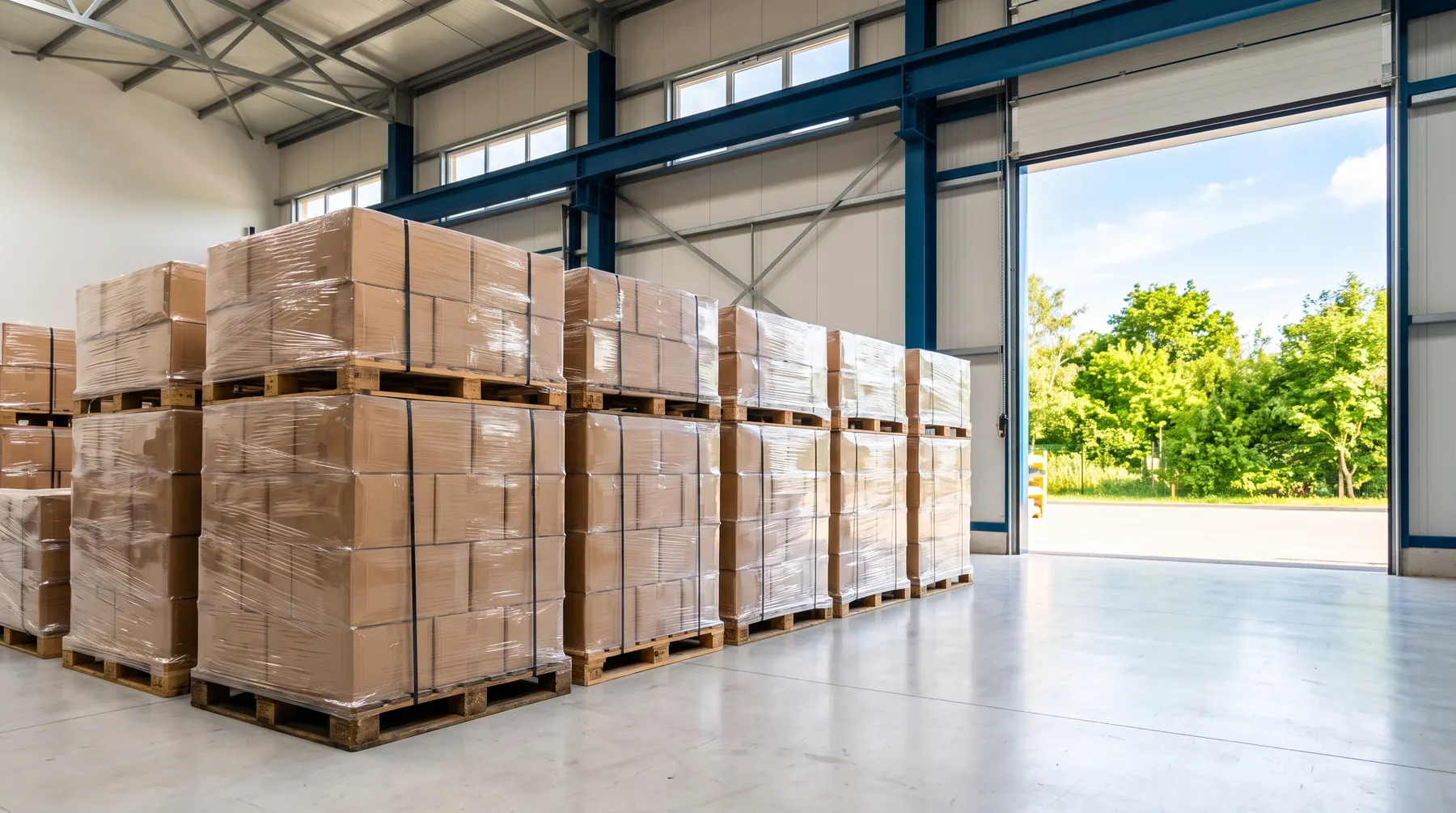
Palletized production goods strapped and labeled for ocean dispatch out of Ningbo.
Pre-shipment inspection and ocean dispatch
Never authorize final payment before an independent inspection team audits the completed production batch. Inspect goods according to ISO 2859-1 statistical sampling standards, evaluating critical, major, and minor defect classifications.
Ensure packaging cartons feature required European labeling, CE compliance markings, importer identification, and sturdy palletization suitable for multi-week maritime transit.
Frequently asked questions: Sourcing from China
Essential guidelines for European importers planning factory production.
Where do I find genuine Chinese manufacturers?
Suppliers can be identified through online B2B portals (Alibaba, Made-in-China, Global Sources), international trade exhibitions such as the Canton Fair, specialized local sourcing agents, and industry peer referrals. Every candidate must be verified independently before placing orders.
How many supplier quotes should I compare?
Compare at least three to five verified factories using an identical technical specification sheet. Request detailed cost breakdowns covering raw materials, tooling fabrication, unit production, and export packaging.
Should I order pre-production samples?
Ordering and signing off on formal pre-production samples is mandatory. The approved sample serves as the golden standard for quality inspection during mass production and legal acceptance before final payment.
How long does a first sourcing order typically take?
From initial technical brief to container departure generally takes eight to sixteen weeks. Custom tooling fabrication requires three to six weeks, sample testing one to two weeks, mass production four to six weeks, and ocean transit three to six weeks depending on European port destination.
What contract clauses are most critical?
Critical terms include exact technical tolerances, AQL defect thresholds, milestone payment conditions, tooling ownership guarantees, delay penalties, and bilingual governing contracts enforceable in Chinese courts.
Related sourcing resources

Verify Chinese suppliers
A comprehensive checklist for business registration checks, video audits, and physical factory inspections.
Factory vs trading company
How to verify company registration records, machinery assets, and export licenses in China.

China sourcing agent Europe
Explore our comprehensive on the ground factory sourcing and inspection services in Ningbo.
Have an engineering brief ready for review?
Submit your product specifications and CAD drawings to our Ningbo operations team for direct factory capability assessment.